 Delhi NCR
 United States
 United Kingdom
 UAE & Dubai
 Europe (Schengen)
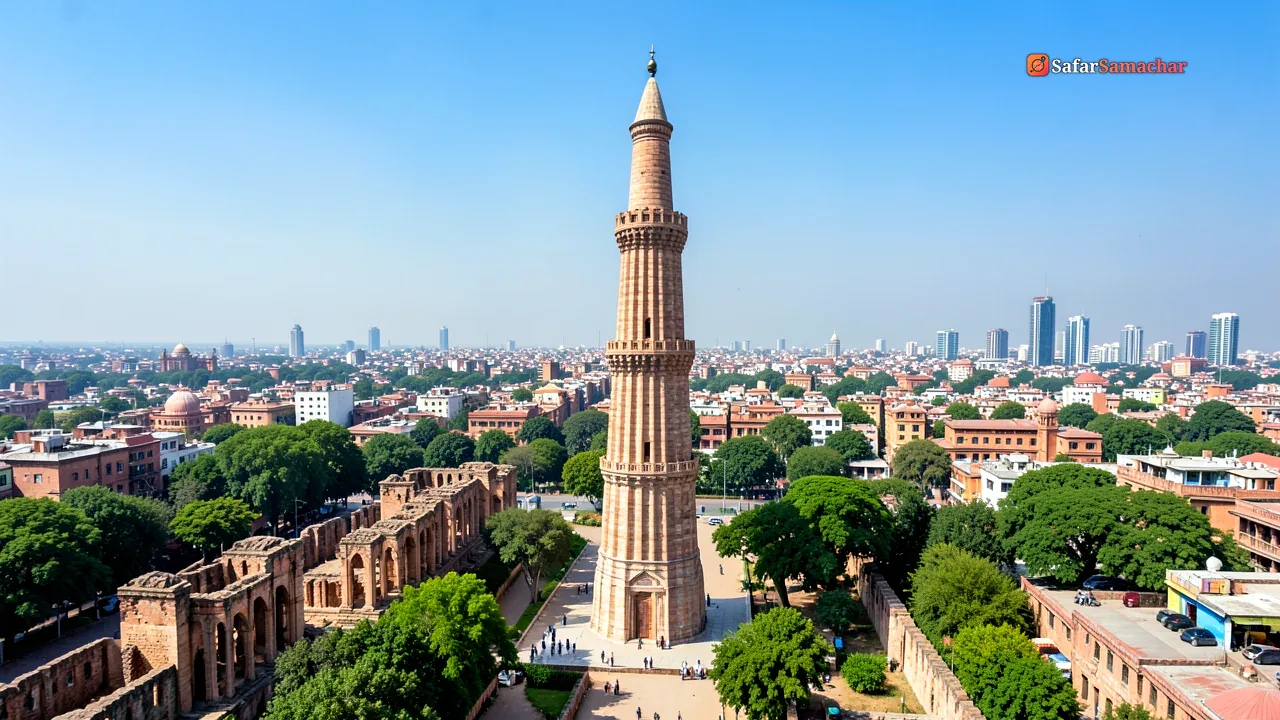
Delhi and NCR experienced severe air quality on Diwali morning, with AQI crossing 400 in several areas. Despite Stage 3 measures and curbs aimed at reducing pollution, the situation remained dire. The Supreme Court had allowed a window for green crackers on Diwali, but this did not prevent the air quality from deteriorating.
AQI in Delhi averaged 376 on Diwali, falling into the 'very poor' category. In Jahangirpuri, AQI reached as high as 463. The air quality is expected to worsen further to 'severe' levels on Monday after Diwali celebrations. Unfavourable meteorological conditions, including calm winds and poor ventilation, contributed to the accumulation of pollutants.
PM2.5 was the predominant pollutant in Delhi on Diwali, with emissions from firecrackers adding to particulate matter levels. The transport sector was identified as the largest contributor to pollution, while stubble burning accounted for 3.5% of Delhi's pollution. Authorities shifted primary schools to online classes on Diwali due to the poor air quality.
Political disputes over farm fires in Punjab continued during Diwali, adding to the complexity of addressing the pollution crisis. The ventilation index was below 6,000 square metres per second, worsening pollution dispersion. AQI increased from 369 on Saturday to 376 on Sunday in Delhi.